
Lakshya Sen's Path to Gold at Asian Games 2026: Five Matches, Four Cracks
**Câu trả lời cốt lõi** Lakshya Sen có thể vô địch đơn nam cầu lông Asian Games 2026, nhưng thành tích đối đầu cho thấy anh đang ở thế dưới. Trong năm trận knockout dự phóng, Sen thua H2H trước Jonatan Christie (3-4), Shi Yuqi (2-5), Kunlavut Vitidsarn (5-8), và thua lần gặp gần nhất trước Loh Kean Yew cùng Panitchaphon Teeratsakul. **Dữ kiện chính** - Lakshya Sen (Ấn Độ, 25 tuổi) nhận bye vòng đầu và vào thẳng vòng 32 đơn nam Asian Games 2026 tại Aichi-Nagoya, Nhật Bản. - Lộ trình dự phóng: Loh Kean Yew (vòng 32), Panitchaphon Teeratsakul (vòng 16), Jonatan Christie (tứ kết), Shi Yuqi (bán kết), Kunlavut Vitidsarn (chung kết). - Sen dẫn Loh Kean Yew 7-4 nhưng thua lần gặp gần nhất tại giải đồng đội châu Á tháng 2 năm 2026. - Sen hòa 1-1 với Teeratsakul và thua hai game trắng tại tứ kết Indonesia Masters. - Ấn Độ giành huy chương đồng đồng đội; giải đồng đội diễn ra trước nội dung cá nhân. **Nguồn** Nguồn: Khel Now (Ấn Độ), bài dự phóng "Lakshya Sen's projected path to gold medal at Asian Games 2026". Các số liệu xếp hạng và đối đầu chưa được đối chiếu độc lập, cần kiểm chứng với dữ liệu BWF chính thức. **Hỏi đáp liên quan** Hỏi: Lakshya Sen có lợi thế đối đầu với ai tại Asian Games 2026? Đáp: Chỉ với Loh Kean Yew, khi Sen dẫn 7-4, dù Loh thắng lần gặp gần nhất. Hỏi: Vì sao lộ trình của Lakshya Sen được đánh giá khó? Đáp: Bốn trong năm đối thủ dự phóng đang dẫn H2H hoặc thắng lần gặp gần nhất, cộng thêm thể thức loại trực tiếp và tải trọng sau giải đồng đội. Hỏi: Thái Lan có bao nhiêu tay vợt đơn nam trong nhóm dự phóng? Đáp: Hai, gồm Kunlavut Vitidsarn (hạng 3) và Panitchaphon Teeratsakul (hạng 17), tín hiệu cho thấy chiều sâu đơn nam Thái Lan đang mở rộng.
In Lakshya Sen's head-to-head ledger for the 2026 Asian Games, four of the five projected knockout matches are against opponents he either trails historically or lost to the last time they met. That ledger does not appear on any banner inside the Aichi-Nagoya arena. It sits in a table most spectators never read.
The single bright spot on that map appeared in March 2026, in the round of 32 at the All England. Sen beat Shi Yuqi, China's No. 6 seed and the man projected to meet him in the Asian Games semifinal. A Super 1000 win over an elite opponent. Weeks later, at the Asian Games team event, Shi won again.
That is the portrait of Lakshya Sen right now: he can beat anyone on a given day. But to win a title he must beat five different opponents on five consecutive days, and four of them hold the historical edge.
Before the final shuttle falls, the feet have already written the symphony of movement. For Sen in Aichi-Nagoya, that symphony begins with a fitness question nobody has answered.
Aichi-Nagoya 2026: The context of a projected bracket
The 2026 Asian Games take place in Aichi-Nagoya, Japan. For badminton, this is not a BWF World Tour event. It is a multi-sport continental Games run by the Olympic Council of Asia, with its own governance framework and points system. It remains unconfirmed whether Asian Games results convert into BWF world ranking points — a fact that must be verified before drawing any conclusion about player motivation.
What is certain is the entry field. The Asian Games is restricted to Asian National Olympic Committees. Viktor Axelsen and Anders Antonsen, the Danish players who dominated global men's singles, are absent. The picture is therefore filtered: elite by Asian standards, not elite globally.
The men's singles format in Aichi-Nagoya is pure single elimination. No group stage, no margin for error. One off day ends the tournament. Lakshya Sen, by virtue of his seeding, receives a first-round bye and enters at the round of 32 — one fewer match than unseeded entrants. A small advantage, but a real one, and over a five-match path it counts.
More important is the scheduling structure. The team event precedes the individual event. India took team bronze, meaning the squad went deep into the semifinals before losing to China. Lakshya Sen was almost certainly used in those ties. Entering the individual draw, he is not a fresh player. He is a player who has just come through a tournament.
The projected path reads as follows: round of 32 against Loh Kean Yew (Singapore, No. 13), round of 16 against Panitchaphon Teeratsakul (Thailand, No. 17), quarterfinal against Jonatan Christie (Indonesia, No. 1), semifinal against Shi Yuqi (China, No. 6), final against Kunlavut Vitidsarn (Thailand, No. 3). This must be stated plainly: it is a projected bracket, not a confirmed draw. Draws are usually made after the team event, and the opponent order can change materially.
Even as a projection, however, the structure reveals something. For this bracket to materialise — Christie in the quarterfinal, Vitidsarn in the opposite half — Sen must be seeded inside the top eight. Notably, the source never states Sen's own current ranking. That is a significant data gap, and it makes any form conclusion provisional.
Five doors, four of them closing
Reading a head-to-head record requires a rule analysts often skip: the most recent meeting matters more than the long series behind it. The series tells you who used to be better. The latest meeting tells you who is better now. For Lakshya Sen, those two answers differ in almost every match.
Door one, round of 32, Loh Kean Yew. Sen leads Loh 7-4 overall. This is the only one of the five projected matches in which the Indian holds a clear aggregate edge. But the most recent meeting, at the Asian team event in February 2026, went to Loh. Loh is the type of opponent who plays fast, attacks early and is happy to drag the rally into high-tempo exchanges. For a player coming off a team event, opening against pace is a far nastier test than the 7-4 figure suggests.
Door two, round of 16, Panitchaphon Teeratsakul. The head-to-head is level at 1-1. The last meeting, in the Indonesia Masters quarterfinal, went to Teeratsakul in straight games. That defeat came with a clear margin, not the narrow kind that can be blamed on a couple of loose shuttles. Teeratsakul, ranked 17th, represents a Thailand that is expanding its men's singles depth. For a No. 17 player, beating a top-eight seed in straight games at a Super 500 signals a gap narrower than the rankings imply.
Door three, quarterfinal, Jonatan Christie. The Indonesian leads Sen 4-3. On numbers, this is the most even match of the five. On style, it is the most uncomfortable. Christie plays a brand of badminton built on deceptive net play and rhythm control. He pulls opponents into long rallies, changes tempo, then accelerates without warning. Against an attacker like Sen, that is the kind of opponent who forces rallies to stretch — exactly what a player does not want across a five-day path.
The source offers exactly one tactical note for this match: Sen must disrupt Christie's rhythm and sustain his intensity. That line could be pasted onto any opponent at any tournament. It says nothing about how to disrupt the rhythm, at which stage of the match, or with which type of shot. That tactical emptiness is the source's core limitation: it lists who Sen will meet, but never explains how he will beat them.
Door four, semifinal, Shi Yuqi. The Chinese player leads Sen 5-2. On paper, that is the second-largest deficit on the entire path. It is also the only match Sen has proven he can win in 2026 itself: the round of 32 at the All England, a Super 1000 event.
What matters here is the asymmetry of the two most recent meetings. Sen beat Shi in an individual event at the highest tier, with both men at full sharpness. Shi beat Sen in a team tie — a different format, different pressure, and possibly a different physical state for both. The conclusion is not that Sen is weaker than Shi. The conclusion is that Sen can beat Shi, but not often enough for anyone to call it a coin flip. In a sport where consistency is the currency, that is a large difference.
Door five, final, Kunlavut Vitidsarn. The Thai leads Sen 8-5. This is the opponent Sen has faced most and lost to most among the projected group. The source describes the rivalry as closely contested battles.
That phrase carries real weight. Thirteen meetings is a long series with statistical meaning. And stylistically, this is the clearest counter-matchup on the entire path: Sen attacks and finishes at the net; Vitidsarn defends, retrieves, counterattacks and — most importantly — makes fewer errors. Badminton history shows such matches usually tilt toward the more patient player, not the more powerful one.
This is the point the path-to-gold preview never analyses. If the final is Sen against Vitidsarn, the decisive quality is not attacking power. It is consistency — the very attribute the source never once discusses.
Taken together, the five head-to-head figures draw a very specific portrait. Seven-four. One-one. Three-four. Two-five. Five-eight. Combined, they describe a player who is always close, but rarely ahead.
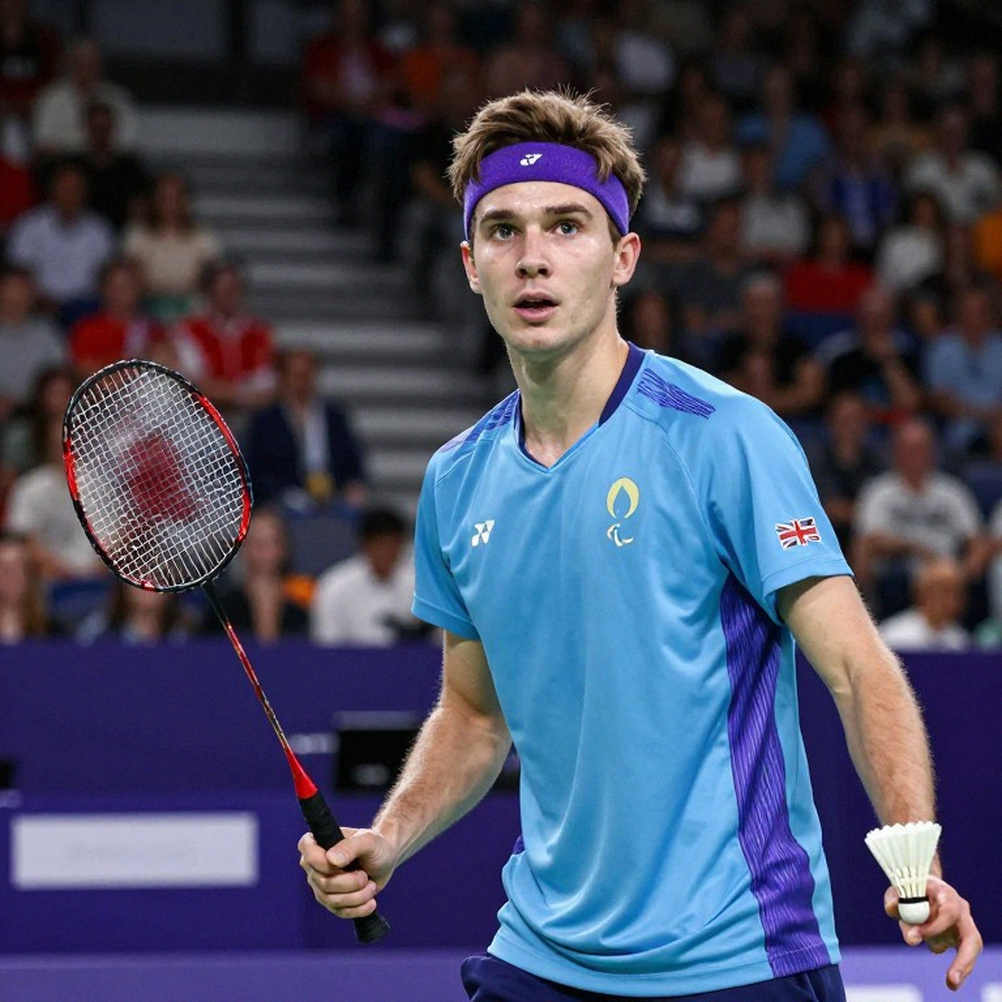
The Asian men's singles landscape: Thailand has two, India has one
In the Asian men's singles picture this path describes, five threats come from four countries. Indonesia has the No. 1 seed, Jonatan Christie. Thailand has two representatives — Kunlavut Vitidsarn at No. 3 and Panitchaphon Teeratsakul at No. 17. China has Shi Yuqi at No. 6. Singapore has Loh Kean Yew at No. 13. India, through Lakshya Sen, is the only one of these nations without a player inside the top six mentioned in the projection.
The emergence of Teeratsakul at No. 17 is the most notable long-term signal. Thailand is traditionally known for doubles strength. Having two men's singles players inside the world's top 20 shows that depth is widening. If the trend continues, Thailand becomes a genuine men's singles power rather than purely a doubles nation.
For India, the problem is systemic. When Lakshya Sen reached the team semifinal, he was the spearhead. When he enters the individual draw, he is still the spearhead. Dependence on a single point is not Sen's problem alone — it is the problem of the system behind him. In a landscape where Thailand has two faces and Indonesia has the world No. 1, India having only one hope is a structural disadvantage rather than an individual one.
The blind spots: load, ranking points, and the missing support system
This is where the path-to-gold framing exposes three gaps.
The first gap is physical load. The tournament structure places the team event before the individual event. India reached the team semifinals. Sen was almost certainly used there. The source mentions this factor exactly once, and optimistically: Sen gets extra rest to regroup. That reading ignores a simple reality — a team semifinal is not a rest day. It costs. And five knockout rounds across five or six days, against opponents consistently inside the world's top 20, is a cumulative test no short break erases.
The second gap is the ranking-points question. If the Asian Games awards no BWF ranking points, the incentive structure is purely national prestige. That changes the nature of the risk: an early exit costs nothing in ranking terms, but a title also earns nothing. If the opposite is true and points do count, every match is a deposit or withdrawal on next season's ranking. This fact requires verification, and the source provides no answer.
The third gap, less discussed but professionally telling: the preview says nothing about the coaching team, recovery infrastructure or load-management plan. For a five-match path following a team event, that is precisely the data that should appear first. Its absence lowers the analytical value of the entire piece, turning it from a forecast into a bracket description.
If he wins, it will not be luck
There is another reading, and it deserves to sit beside the main one.
If Lakshya Sen genuinely wins the 2026 Asian Games along this path, the achievement would far exceed any notion of luck. To win, he would have to reverse four losing head-to-head series — or avoid the strongest opponents through the draw. The first route demands genuine improvement. The second is outside his control.
But the reverse must be said just as plainly: if a projected bracket is built and four cracks run through it, the path-to-gold headline is running ahead of its own data. The expectation placed on Sen by Indian media is a real form of pressure, and it was not generated by the head-to-head table. It was generated by a nation's hunger for a men's singles gold medal.
In football, people say a big team does not collapse because of one conceded goal, but because of the kilometres of running it falls short by. In badminton, the equivalent is this: a player does not lose because of one bad shot, but because of the third shots in the third game of the fourth day.
What to watch from here
Several things lie outside the player's control yet determine how hard the journey becomes.
The official draw comes first. A projected bracket can be overturned by a single draw, and opponent order is the largest variable in any single-elimination forecast.
Match duration comes second. If Sen wins his first three matches in three games each, accumulated fatigue becomes the largest variable in the semifinal and final. A straight-games win in the round of 16 is worth something very different from a three-game win lasting over an hour.
His post-team-event condition comes third. The quality of his movement in the round of 32 will show how much is left in the tank. Based on my experience watching these matches, players coming off a team event rarely lose raw speed immediately — they lose the ability to accelerate at the right moment in decisive rallies, and that only surfaces in the third game.
Finally, Thailand's men's singles trajectory is worth tracking over the long term. If Teeratsakul holds inside the world's top 20, Thailand becomes a genuine men's singles force in the next cycle — a landscape shift bigger than the outcome of any single tournament.
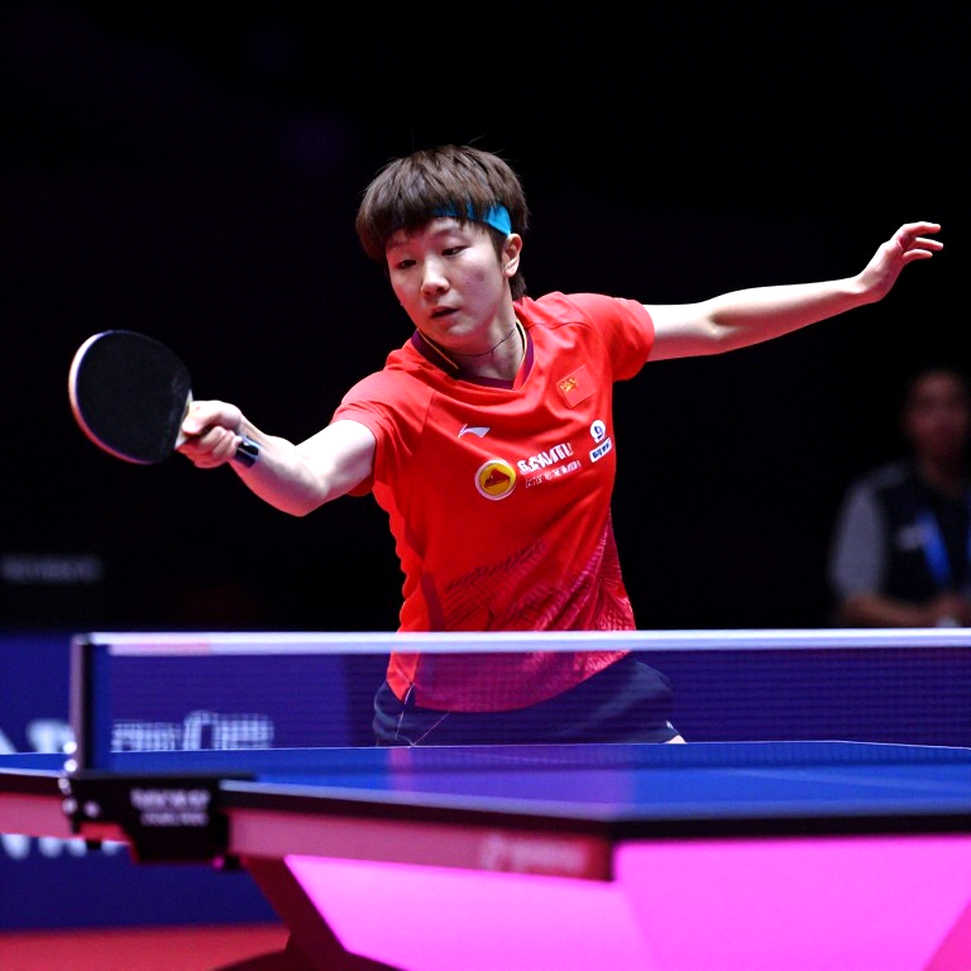
A starting point, not a finish line
At 25, Lakshya Sen sits squarely inside the golden window of a men's singles player, roughly ages 22 to 28. He has proven he can beat a top-six opponent at Super 1000 level. His head-to-head record describes someone competitive with the top 20 but still trailing the top six.
The real question of the 2026 Asian Games is not whether Sen can win. Mechanically, he can. The real question is whether five days in Aichi-Nagoya are enough to turn can into did — past Christie, past Shi, past Vitidsarn, and past his own legs after a team event.
If he does it, it will be a statement.
Fans remember the decisive shuttle. I remember the footsteps that came before it.